
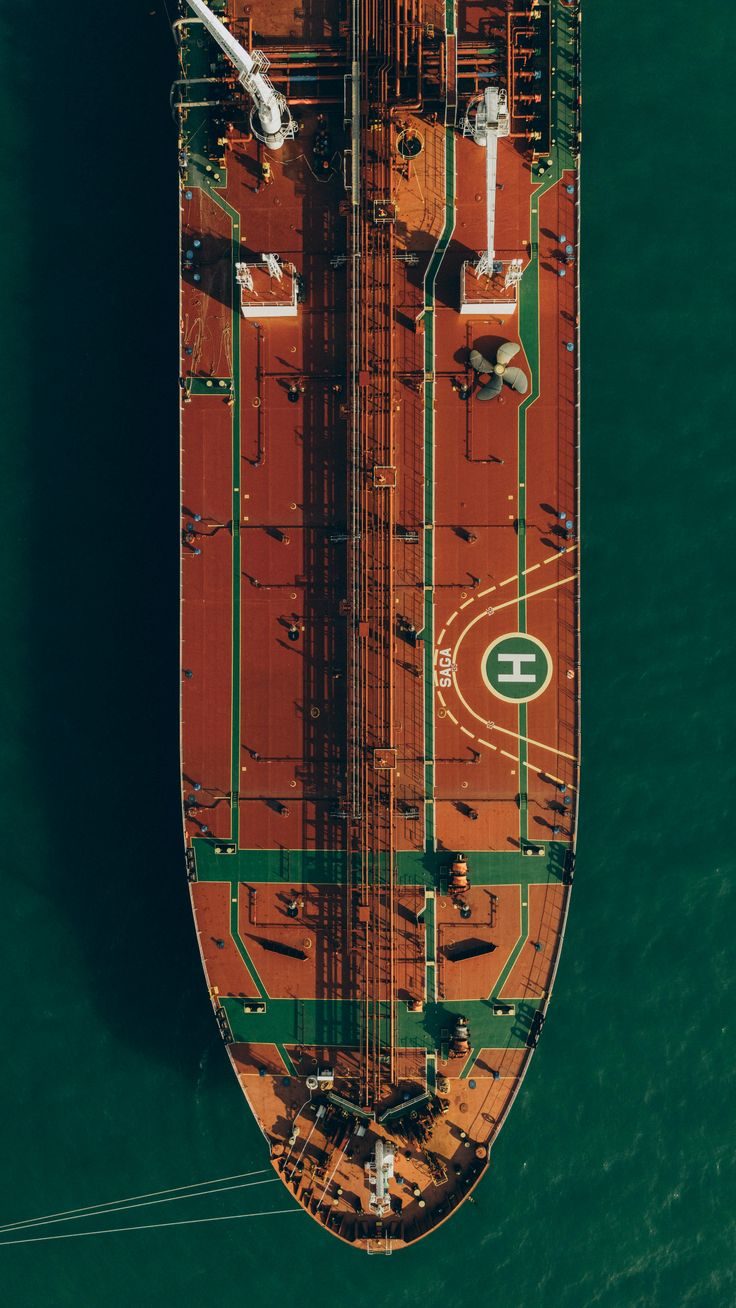
What makes bulk different
"Bulk ship management" rose 40% in the month to 22 August 2026. Dry bulk is the largest segment of the world fleet by vessel count, it accounts for 18.9% of global officer demand, and it is managed on the thinnest margins in the industry — which makes it the segment where management quality shows up fastest in the accounts.
| Factor | Consequence for management |
|---|---|
| Low freight margins | Fee sensitivity; OPEX discipline is everything |
| Diverse, dirty cargoes | Hold cleaning is a core operational competency |
| Cargo damage exposure | Claims are the single biggest commercial risk |
| Many small ports | Agency quality varies; DA control matters |
| Older fleet profile | UNCTAD reports average fleet age of 22.2 years by vessel count |
| Charterer inspection regimes | RightShip and similar screening affect employability |
Hold cleaning: the operational core
Between a coal cargo and a grain cargo lies a cleaning operation that can take days and decide whether the next fixture happens. Get it wrong and the vessel fails hold inspection, loses the cargo, and pays for the delay.
A managed approach:
- Plan from the fixture, not from the port. Cleaning requirements are known when the next cargo is agreed.
- Match the standard to the cargo. Grain-clean, hospital-clean and normal-clean are different jobs with different consumable and time budgets.
- Budget the consumables. Chemicals, fresh water and time are real costs that belong in the voyage estimate.
- Record the evidence. Photographs and cleaning logs defend against later cargo damage claims.
- Protect the crew. Hold cleaning is among the highest-risk routine work on a bulk carrier — enclosed spaces, working at height, chemicals.
Cargo damage: where the money goes
| Damage cause | Prevention |
|---|---|
| Water ingress through hatch covers | Ultrasonic testing, gasket and compression bar maintenance |
| Cargo sweat / ship sweat | Ventilation regime by cargo and route, logged hourly |
| Contamination from previous cargo | Cleaning standard and inspection evidence |
| Bilge water contamination | Bilge suction integrity, hold bilge covers maintained |
| Mechanical damage in grabs | Pre-loading condition survey and protest |
| Shortage claims | Draft survey discipline, independent surveyor |
Hatch cover integrity deserves special attention. It is the leading cause of wet damage claims, it is cheap to maintain and expensive to neglect, and ultrasonic testing gives objective evidence. A manager who cannot tell you the last ultrasonic test date for each hold is not managing the largest claims exposure on the ship.
An old fleet is a maintenance-intensive fleet. Steel renewal, hatch covers, ballast tank coatings and mooring equipment all deteriorate on a schedule that does not care about the freight market.
Port rotation and DA control
Bulk carriers call at many small ports where agency appointment is often charterer-nominated and disbursement accounts are opaque. Practical controls:
- Pro forma DA agreed before arrival, itemised
- Final DA reconciled against pro forma within an agreed window
- Tariff schedules held for repeat ports
- Husbandry costs separated from cargo-related costs
- Crew change costs quoted separately, not bundled
Fleets that introduce DA discipline for the first time typically find a recurring percentage of unexplained charges. It is not usually fraud; it is the absence of anyone checking.
Fuel and emissions in a low-margin segment
Bulk carriers are unusually exposed to CII because their operating profile — long ballast legs, waiting time at anchor, slow steaming — interacts badly with a carbon intensity metric based on transport work. Managers should model CII trajectory per vessel, and owners should understand that the operational fixes (speed, hull cleaning, arrival planning) come first and the technical fixes (energy saving devices, engine derating) second.
EU exposure adds a direct cash cost. With EU ETS at 100% of applicable emissions from 2026 and FuelEU intensity limits tightening against the 91.16 gCO₂e/MJ baseline, an EU-trading bulk carrier now carries a compliance line in every voyage estimate.
What to ask a bulk carrier manager
- Hatch cover ultrasonic testing schedule and last results, per vessel
- Cargo claims: frequency, severity and root causes, three years
- Hold cleaning failure rate at load port inspection
- Draft survey procedure and independent surveyor policy
- Ballast tank coating condition and steel renewal history
- DA reconciliation process and average pro forma-to-final variance
- CII trajectory per vessel and the operational plan behind it
- Enclosed space entry record and training evidence
fleet age data from UNCTAD Review of Maritime Transport 2025; officer demand share from BIMCO/ICS 2026. Reviewed by the Zeaclub Editorial Team, 24 August 2026.
Frequently asked questions
What is grain-clean?
A hold cleanliness standard required for grain cargoes — free of previous cargo residue, loose rust and scale, dry, odour-free, and passing a surveyor's inspection. It is more demanding than normal-clean and takes longer.
Why are cargo claims so significant in dry bulk?
Because cargoes are commodity-value, high-volume and easily damaged by water, contamination or handling — and because the vessel is usually the easiest party to claim against.
Do bulk carriers face vetting like tankers?
Not to the same degree, but charterer screening and risk-rating platforms influence employability, and repeated PSC deficiencies restrict access to some charterers and terminals.
Is dry bulk management cheaper than tanker management?
The fee usually is, reflecting lower inspection burden and crew competency cost. The savings are not free — bulk carriers carry heavier cargo claim exposure and, on average, older tonnage.