
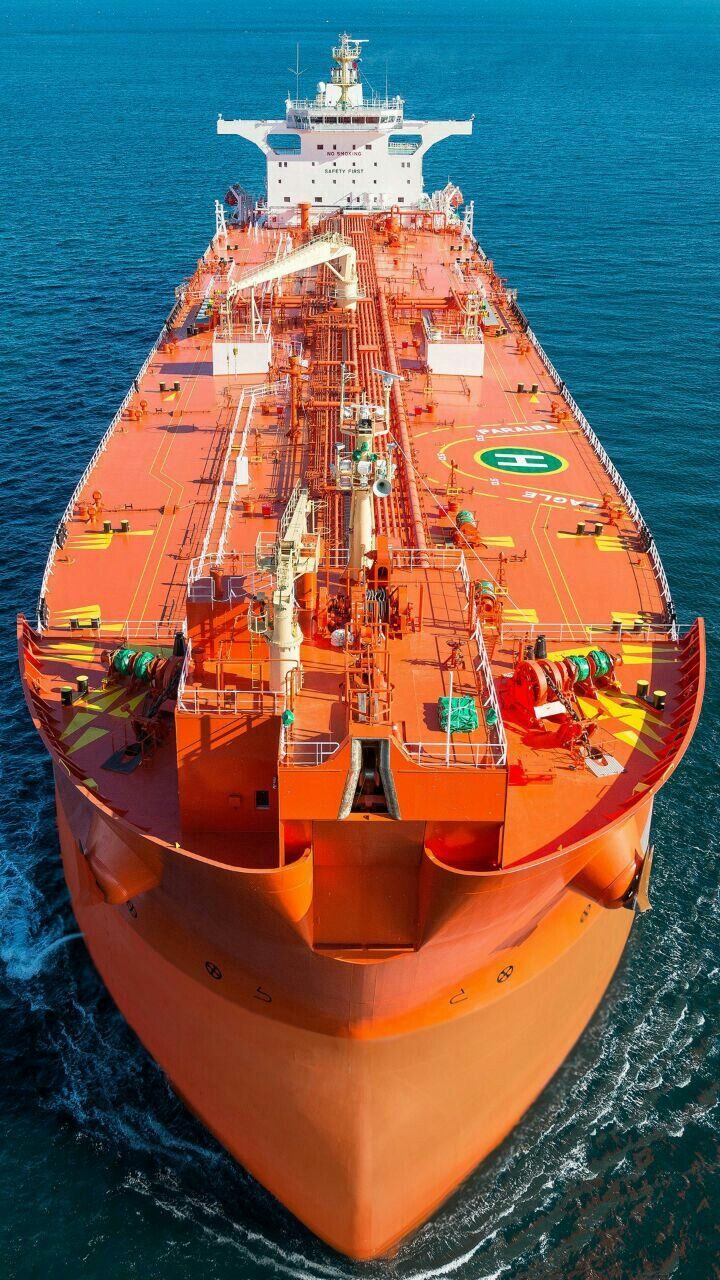
Why tanker management is different
Search interest in "tanker ship management" rose 50% in the month to 22 August 2026 — one of the strongest moves in the whole ship management dataset. The reason is structural. Tanker management is the most heavily scrutinised segment in shipping, and the scrutiny regime changed.
A dry bulk carrier that fails an inspection has a problem. A tanker that fails a vetting inspection may have no customers. The major oil companies and traders control access to cargo through vetting, and a vessel that cannot clear vetting cannot trade, regardless of its class status or its charter.
That single fact reorganises everything:
| Aspect | Dry cargo | Tanker |
|---|---|---|
| Primary external judge | Class, flag, PSC | Charterer vetting departments |
| Inspection frequency | PSC as encountered | Vetting on a rolling cycle, plus PSC |
| Consequence of failure | Deficiency, occasionally detention | Loss of commercial access |
| Crew competency scrutiny | General STCW | Rank-by-rank assessment during inspection |
| Management system scrutiny | ISM audit | ISM plus TMSA self-assessment and verification |
SIRE 2.0: what changed
OCIMF's Ship Inspection Report Programme moved to its 2.0 form, replacing a largely fixed questionnaire with a risk-based, vessel-specific inspection built around three elements: hardware, processes and human factors. Inspectors work from tablets, questions are drawn dynamically according to vessel type and history, and — the significant change — a substantial share of the inspection assesses the crew's actual understanding rather than the presence of a document.
Practical implications for a manager:
- Crew competency is inspected directly. An officer who cannot explain a procedure is now a finding, even where the procedure is written correctly.
- Inspection scope is unpredictable. You cannot rehearse a fixed list.
- Human factors observations carry weight, covering fatigue, familiarisation, workload and psychological safety.
- Preparation must be continuous, not concentrated in the week before an inspection.
The old model — a well-drilled two days with the fleet's best superintendent on board — no longer works. The new model rewards fleets whose ordinary operating standard is high.
TMSA: the management system behind the ship
The Tanker Management and Self Assessment programme asks the manager, not the ship, to demonstrate capability across a set of management elements, each with staged levels of achievement. Charterers read TMSA submissions alongside inspection reports.
Where managers commonly lose credibility:
| Element area | Typical weakness |
|---|---|
| Management leadership | Objectives set but not measured |
| Recruitment and competency | Matrix exists; evidence of assessment thin |
| Reliability and maintenance | KPI reported, root causes not analysed |
| Navigational safety | Passage plans approved without evidence of review |
| Incident investigation | Immediate causes only; no systemic analysis |
| Change management | Applied to hardware, not to procedures or crewing |
Claiming a higher stage than you can evidence is worse than claiming a lower one honestly. Vetting departments compare the claim to the inspection record.
What inspection performance is worth
PSC is the floor, not the standard. Across all vessel types the Paris MoU recorded a 4.18% detention rate in 2025 with 51,797 deficiencies — fire safety 16.8%, structure/machinery/electrical 11.6%, MLC welfare 10.1%. For a tanker, a PSC detention is compounding damage: it enters the vetting record and follows the vessel for years.
The crew problem, specifically
Tanker officers need cargo-specific competency layered on top of STCW: tanker familiarisation, advanced oil or chemical or gas cargo operations, and — in practice — demonstrable command of inert gas systems, tank cleaning, cargo calculations and emergency response.
With a global shortfall of 39,100 certificated officers and 113,735 more needed by 2030, the pool with genuine tanker experience is materially tighter than the headline numbers suggest. A tanker manager's real asset is a retained senior officer pool. Ask, in any tender:
- Senior officer retention rate, three-year series, with the formula
- Average time in rank on tankers for masters and chief engineers
- Number of officers who have sailed more than three contracts with the fleet
- Cargo-specific training spend per officer
- How human-factors preparation for SIRE 2.0 is actually delivered
Technical priorities that decide inspections
| System | Why inspectors focus on it |
|---|---|
| Inert gas system | Direct explosion risk; frequent deficiency source |
| Cargo pumps and valves | Leakage, remote operation integrity |
| Pressure/vacuum valves and venting | Routinely found defective |
| Fixed and portable gas detection | Calibration records commonly incomplete |
| Fire-fighting systems and foam | Foam sample testing dates missed |
| Mooring equipment | OCIMF mooring guidance; line management records |
| Emergency shutdown systems | Testing evidence |
| Ballast water treatment | Operational reliability, records |
The economics
Tanker management carries a higher fee than dry cargo for good reason: more inspection preparation, more superintendent attendance, higher crew competency cost, and a management system that must survive third-party scrutiny continuously. Owners who tender tanker management against dry bulk fee benchmarks are comparing two different products.
The offsetting arithmetic is straightforward. A vessel that loses vetting approval with a major charterer loses access to a slice of the market for months. Set against that, the fee difference is immaterial.
SIRE 2.0 and TMSA are OCIMF programmes; refer to OCIMF publications for authoritative requirements. Inspection statistics from the Paris MoU Annual Report 2025; workforce data from BIMCO/ICS 2026. Reviewed by the Zeaclub Editorial Team, 24 August 2026.
Frequently asked questions
What is tanker vetting?
An inspection and assessment regime run by oil majors, traders and terminals to decide whether a vessel is acceptable for their cargo. It is commercial, not statutory, and it is decisive.
What is SIRE 2.0?
OCIMF's risk-based tanker inspection programme, replacing the previous fixed-questionnaire model with vessel-specific, digitally delivered inspections that weight human factors and crew competency heavily.
What is TMSA?
The Tanker Management and Self Assessment programme — a structured self-assessment of the ship manager's own management system, reviewed by charterers alongside vessel inspection results.
Does a tanker need a specialist manager?
Not necessarily, but it needs a manager with a genuine tanker track record, a retained senior officer pool and a management system that has already withstood vetting scrutiny. General competence does not transfer automatically into this segment.